
Can You Sublimate on Cotton? What Brands Should Know First
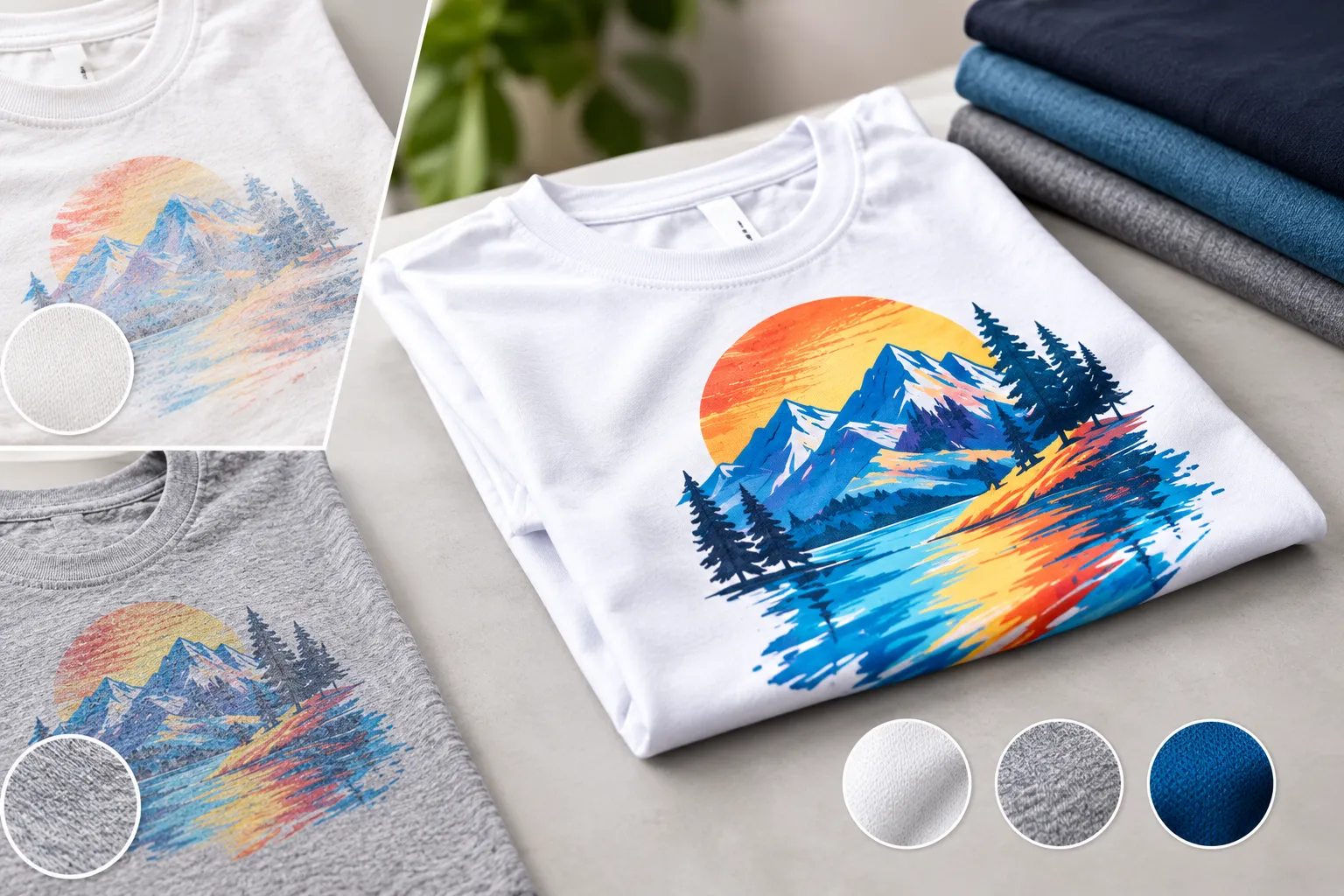
Can you sublimate on cotton? Not in a way that lasts. Sublimation on cotton produces muted graphics that fade quickly in the wash. Sublimation dye is designed to bond with polyester, and cotton is a plant fiber with nothing for that dye to lock into. For a hobbyist, that’s a ruined shirt. For a brand launching a tee collection or a club ordering warm-up shirts for every age group, it can mean a reprint, a refund, or a customer who doesn’t come back.
The question usually comes from a reasonable place: customers love how cotton feels, and buyers love how sublimation looks. This guide covers why the two don’t combine directly, what the common workarounds actually deliver, how polyester blends behave, and how to specify fabric so you get the look and feel your market expects.
Why Sublimation on Cotton Doesn’t Hold
Before choosing a workaround, it helps to understand what sublimation needs from a fabric. Once the chemistry is clear, most sourcing decisions become straightforward.
Why Dye Sublimation Fabric Needs Polyester
Sublimation inks are disperse dyes. Under heat and pressure, the dye turns into a gas and moves into polyester fibers, which soften and open at pressing temperatures. As the fabric cools, the fibers close around the dye. The color ends up inside the fiber rather than sitting on top of it. That’s why a well-made sublimated jersey has no ink layer to crack or peel.
Cotton is cellulose. It has little affinity for disperse dyes, and textile mills normally color it with entirely different dye classes in wet processes. So when people ask about dye sublimation on cotton, the honest answer is that the process and the fiber weren’t designed for each other. That’s why polyester is the standard dye sublimation fabric for team uniforms and performance wear. For a broader look at the process, see our complete guide to sublimation printing for teams.
What Happens When You Press Sublimation Ink on Cotton
Pressing a sublimation transfer onto 100% cotton often looks passable at first. Some dye settles into the weave, so the design is visible, just duller than it would be on polyester. Because that dye isn’t bonded to the fibers, much of it leaves in the first few washes. What remains is a faint, patchy version of the original artwork.
This is the trap for buyers: a sample that has only been photographed, never washed, can hide the problem completely.
How to Sublimate on 100% Cotton: Workarounds and Their Limits
Search for how to sublimate on 100% cotton and you’ll find several methods. They all work the same way at heart. They add a polyester or polymer surface to the cotton, then sublimate onto that layer.
Sublimation Coatings and Cotton Transfer Papers
Coating sprays lay down a receptive layer on the fabric before pressing. Specialty transfer papers carry a polymer layer that bonds to the cotton along with the image. Both can produce bright color, but each adds a film to the garment’s surface. Results depend heavily on even application, and durability varies by product and technique.
White Sublimation Vinyl as a Base Layer
Another route is to press white sublimation-compatible vinyl onto the shirt, then sublimate onto the vinyl. This gives accurate color, even on dark garments, because the ink sits on a white base. The trade-off is a noticeable layer that feels heavier as the design gets larger.
Why These Methods Rarely Scale for Brand Orders
These are really heat-transfer methods that happen to use sublimation ink. That has three consequences for B2B buyers:
- The main benefit of sublimation, color you can’t feel on the fabric, is lost.
- Each piece needs extra handling, which makes consistency harder across hundreds of units and multiple sizes.
- All-over and seam-to-seam designs aren’t practical.
If a supplier quotes “sublimation on cotton shirts,” ask exactly which process they mean. Then request a sample that has been through several wash cycles.
Polyester Percentage for Sublimation: How Blends Behave
Blends sit between the two extremes. In a poly-cotton fabric, only the polyester fibers take the dye, so color strength tracks the polyester content. The table below reflects commonly cited industry guidance, not a fixed rule. Fabric construction, dye quality, and press settings all affect the result.
| Polyester content | Typical result | Where it can make sense |
| 100% polyester | Full saturation, sharp detail, no hand feel | Jerseys, performance tees, all-over prints |
| Around 65% or more | Good color, slightly softer and less vivid | Lifestyle tees where softness matters |
| Around 50/50 | Muted, heathered, “vintage” look | Intentionally faded designs |
| Mostly cotton | Weak color that fades further in the wash | Not recommended for sublimation |
The Vintage Look Is a Side Effect, Not a Setting
Some brands like the faded look of sublimation on blends, and it can work well for retro-style tees. Keep in mind where the look comes from: undyed cotton fibers showing through. That means you can’t fine-tune it like a color, and loose dye on the cotton may wash out early. Approve this effect only after you’ve seen a washed sample.
Sublimation on Dark Fabric and Colored Cotton
Sublimation dye is transparent, and standard sublimation has no white ink, so the base fabric color always shows through. On white fabric, colors print true. On a light colored fabric, they shift: yellow artwork on light blue reads green. On black or navy, the design largely disappears. Sublimation on dark fabric fails for the same reason on cotton or polyester, which makes a dark cotton shirt a double problem.
Print the Dark Color Instead of Printing on It
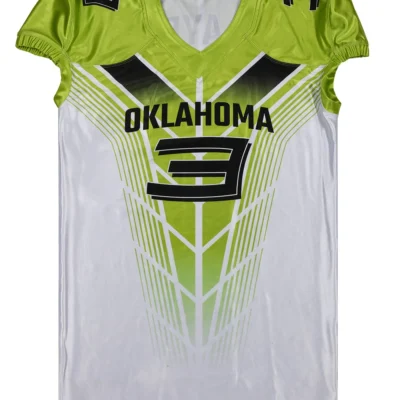
This is where many buyers get confused, because sublimated uniforms clearly come in black and navy. In production, the solution is to start with white polyester and print the dark background as part of the design. The navy, the stripes, and the bright numbers all go down in one process, so light graphics on a dark uniform are entirely achievable.
One thing to check at sampling: on stretch fabrics, the white base can occasionally show at stretched areas or seams. A good manufacturer will discuss this with you before production.
Best Fabric for Sublimation When Customers Want a Cotton Feel
The best fabric for sublimation is still polyester, but polyester is no longer one fabric. Knit structure, yarn type, weight, and finishing all change how it feels. Brushed and spun-polyester fabrics, for example, can feel much softer than the slick jerseys many people picture. Our article on polyester vs. mesh jersey fabrics covers how construction affects comfort and breathability.
Match the Fabric to the Product
Performance and Team Apparel
For game uniforms, practice gear, and training tops, polyester is usually the right choice anyway. It handles moisture well and takes full-color designs. Products like basketball shooting shirts and T-shirts and rash guards and training sets are natural fits for sublimation.
Lifestyle Tees, Polos, and Hoodies
If cotton is part of your product’s selling point, keep the cotton and choose a decoration method built for it. Deuka Wears’ range of custom polo and sublimation T-shirts includes cotton tees with screen printing and embroidery alongside sublimated polyester options. The same thinking applies to custom hoodies and sweatshirts, which are typically cotton-poly fleece.
How to Specify a Sublimation-Ready Garment
Questions to Ask Your Manufacturer
- What is the exact fiber content of the face fabric and any trims?
- Is the base fabric white, or a color that will shift my artwork?
- Can I see a washed sample before approving bulk?
- How will colors be matched if some items are sublimated and others are screen printed?
Fabric Composition and Finish
Confirm the percentage of polyester rather than accepting a vague term like “performance fabric.” Ask whether the fabric carries special finishes, since some surface treatments can affect how dye takes. If you’re building a range, keep the same fabric specification across reorders so later batches match earlier ones.
Fiber Content Labels and Care Instructions
In the US and Canada, textile products sold to consumers generally require fiber content labeling, so a blend should never be marketed as cotton. Check current FTC and Canadian requirements for your products. Care instructions should also reflect the actual fabric. Our guide to caring for sublimated jerseys is a good starting point for polyester garments.
Sublimation Printing on Cotton Fabric vs. Methods Built for Cotton
When the garment must be cotton, compare methods designed for it rather than forcing sublimation printing on cotton fabric. The table is general industry guidance, and capabilities vary by supplier.
| Method | Works on 100% cotton | Dark garments | Full color and gradients | Feel on fabric |
| Sublimation | No | Only by printing the color onto white polyester | Excellent | None on polyester |
| Screen printing | Yes | Yes, with an underbase | Limited by color count | Ink layer |
| Embroidery | Yes | Yes | No | Raised stitching |
| DTG | Yes | Yes, with pretreatment and white ink | Yes | Soft on light garments |
| DTF | Yes | Yes | Yes | Thin film layer |
For a deeper look at the two most common team methods, read sublimation vs. screen printing.
Planning a Mixed Cotton and Polyester Order With Deuka Wears
Many teams and brands don’t need to choose one fabric. A club might order sublimated polyester jerseys for players and screen-printed cotton tees for fans. A streetwear brand might pair heavyweight cotton tees with all-over sublimated performance pieces.
Deuka Wears is a factory-direct manufacturer based in Sialkot, Pakistan, and handles both sides of that kind of range. A practical workflow looks like this:
- Decide which products need full-color or all-over graphics, and specify those in polyester.
- Keep cotton for products where feel matters most, and choose screen printing or embroidery for them.
- Approve artwork and colors for each method separately, since the same color can look slightly different across processes.
- Confirm size runs and fabric specs in writing so reorders stay consistent.
- Build shipping, duties, and customs into your timeline when ordering from overseas.
Our custom sublimation and design service covers artwork development for polyester garments, and our private label services support brands building a full collection. For larger runs, see wholesale and bulk ordering.
Frequently Asked Questions
Can you sublimate on a white cotton shirt?
White helps color accuracy, but it doesn’t fix the fiber problem. The dye still won’t bond to cotton, so the design will fade in the wash. White 100% polyester is the reliable choice for direct sublimation.
Is sublimation on cotton shirts with transfer paper the same as real sublimation?
Not quite. Cotton transfer papers and coatings add a polymer layer that the ink bonds to. The result behaves more like a heat transfer, with a surface you can feel.
Can you sublimate on cotton-poly fleece hoodies?
It depends on the blend and the face fabric. Many fleeces are cotton-rich, which gives muted results. Confirm the composition and request a washed test sample first.
Why did my sublimation print fade after the first wash?
The most common cause is fabric with too little polyester, so the dye sat on cotton fibers without bonding. Problems with press time, temperature, or pressure can also contribute.
Can one team order include both sublimated and cotton items?
Yes. Many teams pair sublimated polyester uniforms with screen-printed or embroidered cotton apparel. Approve colors for each method separately so the range looks consistent.
The Bottom Line for Brands
Sublimation needs polyester. Cotton workarounds exist, but they behave like heat transfers and rarely suit production orders. For vivid, all-over color, choose polyester. For cotton, choose a method made for cotton. Ready to plan your range? Request a quote or design a custom jersey to get started.
TOP RATED PRODUCTS
New posts

October 15, 2026
Can You Sublimate on Cotton? What Brands Should Know First

September 30, 2026
What Are Lacrosse Pinnies? Uses, Sizes & Color Tips

September 30, 2026
Lacrosse Uniforms Guide: What Every Team Needs to Buy

September 29, 2026
How to Wash & Care Sublimated Jerseys Without Fading Colors

September 29, 2026
Sports Jersey Fabrics Explained: Polyester vs Mesh

September 29, 2026
How to Design a Custom Jersey: Easy Step-by-Step Guide

September 24, 2026
Sublimation vs Screen Printing: Which Is Better for Teams?

September 24, 2026

Leave a comment